
Hermit Crabs: Small Pets, Big Responsibilities
, by Majella Gee, 31 min reading time
, by Majella Gee, 31 min reading time
Hermit crabs might be small, but there's a lot more to caring for them than a plastic tank and a spare shell! From the right bedding and water to moulting, diet and the dangers of painted shells, discover what these fascinating little creatures really need to thrive.
Your guide to keeping land hermit crabs healthy and happy.
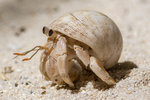
Hermit crabs are fascinating little creatures. They carry their homes on their backs, climb over just about anything and can be surprisingly entertaining to watch, especially after dark.
But here's something many people don't realise: hermit crabs aren't quite the easy, low-maintenance pets they're often made out to be.
That little plastic container with a handful of gravel and a food dish? It's nowhere near enough to keep a hermit crab healthy.
So, if you already have hermit crabs, or you're thinking about getting some, here's what you need to know.
How Long Do Hermit Crabs Live?
Here's a surprise! With the right care, land hermit crabs can live for 10–20 years or more, depending on the species and conditions. Some species have been known to live for several decades.
Unfortunately, many pet hermit crabs die prematurely because their basic needs aren't met.
They're a long-term responsibility, not a novelty pet to entertain the kids for a few weeks.
Setting Up a Suitable Hermit Crab Home
First things first: forget those tiny plastic carriers!
Hermit crabs need a spacious glass or suitable plastic enclosure with a secure, mostly enclosed lid to retain humidity.
Choose an enclosure that provides plenty of room for your crabs to move around, climb, hide and bury themselves safely when moulting. We'll look at how much space each crab needs in the next section.
Your enclosure should include:
How Many Hermit Crabs Can Live Together?
Hermit crabs are social little creatures, but that doesn't mean you can squeeze half a dozen into a small tank!
As a general guide, allow approximately 38 litres of enclosure space per crab, with more room for larger crabs.
For example, a standard two-foot tank measuring 60 × 30 × 30 cm holds approximately 54 litres. That's not enough space for two crabs under this guideline. A larger tank of around 90 litres or more would be a better starting point for a pair of small hermit crabs.
Do hermit crabs fight?
They certainly can! Although they generally enjoy the company of other hermit crabs, disagreements can occur, particularly over shells. One crab may even try to forcibly take another's shell.
Providing plenty of suitable spare shells, hiding places, food and room to move helps reduce competition.
And remember, tank size isn't just about how many crabs can walk around comfortably. Each crab also needs enough undisturbed substrate to bury itself safely when moulting.

Can You Have Live Plants in a Hermit Crab Tank?
Absolutely! You don't have to fill your hermit crab's home with boring plastic plants. Live greenery can make the enclosure look more natural and provide extra places to explore and hide.
Some options include spider plants, suitable ferns and chia seedlings. Just remember that hermit crabs may nibble on plants, so always check that the species you choose is safe for them.
A few things to keep in mind:
And don't forget natural climbing branches, cork bark and coconut-shell hideaways. These provide opportunities for exercise, exploration and shelter.
A well-planned enclosure can be both attractive and practical, without compromising your hermit crabs' needs.

What Bedding Should You Use?
Hermit crabs need to dig, particularly when they're preparing to moult, so a thin layer of gravel or sand isn't suitable.
A good substrate is a mixture of eight parts clean children's play sand to one part coconut coir, with a depth of at least 15 cm. Larger crabs may need considerably more.
The mixture should be damp enough to hold its shape when you dig into it, rather like sandcastle sand, but never soaking wet.
Waterlogged bedding is a real problem. Spilt water from their bathing dishes, excessive misting or poor drainage can leave the substrate saturated. This can encourage mould, create unhealthy conditions and even flood a crab's underground moulting chamber.
Make sure water dishes are stable and cannot easily tip over. Check regularly for leaks, mould, unpleasant smells or areas that have become excessively wet.
Remove spoiled food promptly, and never allow the enclosure to become a soggy, mouldy environment.
Avoid coloured gravel, calcium sand, wood shavings and anything containing added chemicals or fragrances.
Warmth and Humidity Matter
Australian land hermit crabs come from warm, humid environments. They need similar conditions in captivity.
Aim for:
A reptile heat mat attached to the outside back wall of the enclosure, above the substrate level, can help maintain warmth. Always use a thermostat to prevent overheating.
A hygrometer will help you monitor humidity. Remember, hermit crabs have modified gills that need humid air to function properly.
Avoid placing their enclosure in direct sunlight, near air-conditioning vents or anywhere temperatures fluctuate dramatically.
Freshwater AND Saltwater — Yes, Both!
This is something every hermit crab owner needs to understand.
Land hermit crabs need constant access to two separate water sources.
Freshwater: Use water treated with an aquarium-safe conditioner that removes chlorine and chloramine.
Saltwater: Use the same treated freshwater mixed with a proper marine aquarium salt mix, following the manufacturer's directions.
Never use ordinary table salt as a substitute.
Both dishes should be large enough for the crabs to enter and submerge, with stones, ramps or other safe ways to climb out. Keep the water clean and replace it regularly.
And no, land hermit crabs shouldn't live underwater! They need access to water, but they spend most of their lives on land.
What's on the Menu?
Hermit crabs are omnivorous scavengers, meaning they eat a wide variety of foods.
A healthy diet can include:
Variety is important. Don't rely entirely on commercial hermit crab pellets, and avoid salty, seasoned or heavily processed foods.
Offer small amounts of fresh food, preferably in the evening when they're most active, and remove anything uneaten before it spoils.

A New Home? Choosing the Right Shells
Hermit crabs don't grow the shells they carry around. They borrow empty shells from other creatures and move into new ones as needed.
Provide at least three to five spare natural shells per crab, with suitable openings and a range of sizes, including shells similar to their current home and slightly larger ones.
And please, whatever you do, don't paint their shells!
I've seen people decorating hermit crab shells because they think it's cute or funny. But paint can flake off, contaminate their environment and potentially expose the crab to harmful substances. Some painted shells may even have paint inside them.
Hermit crabs aren't ornaments. They don't need colourful houses, glitter or little painted designs. A natural shell is exactly what they need.
Likewise, don't simply collect shells from the beach and place them straight into the enclosure. They may contain organic material, unwanted organisms or contaminants, and collecting shells can affect coastal habitats.
Choose suitable, responsibly sourced shells and clean them properly before use.
How often do hermit crabs change shells?
There's no set timetable. Some will investigate several shells in a single evening, change homes repeatedly, or return to an old favourite. Others may remain in the same shell for months.
They often need a larger shell after moulting, but they can change shells at other times too.
The important thing is to give them plenty of suitable choices and let them decide.

Male or Female? And Will They Breed?
Ever wondered whether your hermit crab is a boy or a girl?
It's possible to tell, although it's not particularly easy!
Female land hermit crabs have two tiny reproductive openings, called gonopores, near the bases of their rear walking legs. Males don't have these openings.
The tricky part is getting a clear view. Sometimes you can spot the difference when a crab is climbing against the glass, but never try to pull a hermit crab out of its shell to find out.
Will they breed in captivity?
It's extremely unlikely you'll suddenly find baby hermit crabs wandering around your tank!
Although land hermit crabs can mate in captivity, their young begin life as tiny aquatic larvae that need seawater and specialised conditions to develop. Eventually, they transform into miniature crabs and move onto land.
Successfully raising hermit crabs from eggs is possible, but it's a complicated process that requires specialist knowledge and equipment.
So, even if you have males and females living together, you generally don't need to worry about your tank becoming overcrowded with babies.
Why Is My Hermit Crab Walking Around Naked?
Occasionally, a hermit crab may leave its shell to inspect another one. That's normal.
But a hermit crab walking around without any shell for an extended period is a serious warning sign.
Without its protective shell, its soft abdomen is exposed to injury and dehydration. A crab may abandon its shell because of stress, unsuitable temperature or humidity, illness, injury, or a lack of suitable shells.
If you find a crab walking around 'naked', don't assume it's simply looking for a new home.
Check the enclosure conditions immediately. Carefully separate it from other crabs in a small, warm, humid, escape-proof container with several clean, appropriately sized natural shells and minimal disturbance. Seek urgent advice from an experienced exotic-animal veterinarian or specialist hermit crab rescue group.
Never try to force a hermit crab into a shell.
A crab that remains without a shell can deteriorate quickly, and sadly, some don't survive.

Why Has My Hermit Crab Disappeared?
Don't panic! It may be moulting.
Hermit crabs have a hard outer skeleton, called an exoskeleton. To grow, they must periodically shed it and form a new one.
How often do they moult?
It depends on their age, size and health. Smaller, younger crabs generally moult more frequently, sometimes every few months, while larger adults may moult only once a year or even less often.
How long does moulting take?
A small crab might spend a few weeks underground, while a larger crab may remain buried for several months. There's no exact timetable.
During this period, the crab is extremely vulnerable.
Never dig up a buried hermit crab to check whether it's alive, and don't remove its discarded exoskeleton. The crab will often eat it to recover important nutrients and calcium.
One of the best things you can do for a moulting hermit crab is simply leave it alone.
A Few More Things Worth Knowing
Hermit crabs are generally more active at night, so don't be surprised if yours spends much of the day hiding.
They're also better suited to observation than frequent handling. Excessive handling can cause stress, and their claws can deliver a surprisingly painful pinch!
Keep household sprays, perfumes, pesticides and cleaning chemicals well away from their enclosure.
Spot-clean regularly, remove spoiled food and monitor the condition of the substrate. Avoid unnecessary complete substrate changes, particularly when a crab may be moulting underground.
Are Hermit Crabs Suitable for Children?
Hermit crabs can be fascinating pets for children, particularly those who enjoy watching animals explore, climb and go about their daily activities.
But they're not cuddly pets, and they certainly aren't toys!
I'd generally suggest children aged eight and over are better suited to learning about hermit crab care, provided an adult takes responsibility for their welfare. Younger children can still enjoy observing them, but they shouldn't be expected to manage their care.
Hermit crabs are delicate creatures that can become stressed by frequent handling. They also have surprisingly strong claws and can give a painful pinch if frightened.
If a child does handle a hermit crab, it should be occasional, closely supervised and done while seated, with the crab held low over a soft surface to prevent injury if it falls. Never pull a crab from its shell or force it to come out.
Always wash hands after handling hermit crabs or anything in their enclosure, and supervise younger children carefully.
The best lesson we can teach children is that responsible pet ownership isn't about how often we can hold an animal. It's about understanding what that animal needs to feel safe and healthy.

Before You Bring One Home...
Hermit crabs may be small, but their needs certainly aren't.
They're fascinating, social little animals that deserve a properly equipped home, a varied diet and the opportunity to behave naturally.
If you're considering hermit crabs as pets, please research their needs and have the enclosure ready before bringing them home.
And if you already have hermit crabs living in a little plastic box, perhaps today's the day to give their home an upgrade.
After all, carrying your house on your back doesn't mean you shouldn't have a comfortable place to live!
© 2026 Majella's Pet Store. All rights reserved.
#HermitCrabs #HermitCrabCare #ResponsiblePetOwnership #PetEducation #AustralianPets #ExoticPetCare #PetWelfare #MajellasPetStore