
Frogs as Pets: What You Need to Know Before You Bring One Home
, by Majella Gee, 17 min reading time
, by Majella Gee, 17 min reading time
Frogs can make fascinating pets — but they’re not as simple as they seem.This guide covers what’s involved, from legal requirements and setup to feeding, lifespan, and what many people don’t realise before bringing one home.
Frogs can make fascinating pets.
They’re quiet, low maintenance on the surface, and incredibly interesting to observe. For some people, they’re the perfect alternative to more demanding animals.
But here’s the part that often gets missed.
Frogs are not “easy” pets.
They’re specialised.
And if their environment isn’t right, things can go wrong quickly.

First Things First — The Legal Side (Australia)
Before anything else, you need to understand the legal requirements.
In Australia, you can’t just go out and collect a frog from the wild.
It’s illegal.
Native frogs are protected, and removing them from their natural environment not only harms wild populations, it often results in poor outcomes for the animal.
Depending on your state, you may also need a licence or permit to keep frogs. In Queensland, for example, a Recreational Wildlife Licence is required, and only certain species are approved for private keeping.
This isn’t just red tape — it ensures frogs are sourced responsibly, owners understand their care requirements, and wild populations are protected.
Always purchase from a licensed breeder or reputable supplier.
Common Frogs Kept as Pets in Australia
Not all frogs are suitable for captivity, but there are a few species commonly kept and well suited to life in a properly set-up enclosure.

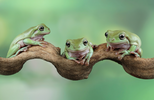
You’ll often see Green Tree Frogs (White’s Tree Frogs) — probably the most popular. They’re relatively hardy, have calm temperaments, and adapt well when their environment is right. With proper care, they can live for 15 years or more, so they’re not a short-term pet.

Dainty Tree Frogs or Graceful Tree Frogs are another option. Smaller and a bit more delicate, but still suitable for those willing to pay closer attention to their setup. Their lifespan is generally shorter, often around 5 to 10 years.

Then there are Eastern Dwarf Tree Frogs and similar small species. These are better suited to more experienced keepers, as they can be more sensitive to environmental changes. They typically live around 5 to 8 years.
The key is to choose a species that matches your level of experience — and to understand that even the smaller, quieter frogs are still a long-term responsibility.
Are Frogs a Good Pet for Kids?
This is where expectations need to be realistic.
Frogs aren’t interactive in the way a dog or even a guinea pig might be. They don’t enjoy being handled, and they won’t “bond” in a traditional sense.
They’re more of a quiet presence — something to observe and learn from.
For children who are genuinely interested in animals and nature, that can be a wonderful thing.
For kids wanting something to play with, frogs usually aren’t the right fit.
In most cases, they’re better suited to older children or adults who understand that less interaction often means better welfare.

Housing — This Is Where It All Happens
If there’s one area you get right, make it this one.
A frog’s enclosure isn’t just a container — it’s their entire world.
It needs to reflect their natural environment as closely as possible. That means paying attention to humidity, temperature, water quality, and the surfaces they come into contact with.
Tree frogs, for example, need height, climbing branches, and places to hide. Ground-dwelling species will have different needs.
Live plants can work well, as long as they’re non-toxic. Substrates need to be safe and easy to keep clean. Water should always be available, fresh, and dechlorinated.
It’s not a “set and forget” situation. It’s something you check, adjust, and maintain regularly.
Lighting and Temperature
Frogs rely entirely on their environment to regulate how they function.
If it’s too cold, they slow down. Too warm, and you risk stress and dehydration.
Some species benefit from low-level UVB lighting, while others don’t require it. This is where understanding your specific frog matters.
A thermometer and hygrometer aren’t optional — they’re essential.
Feeding — More Than Just Throwing in Insects
Frogs are carnivores, and their diet needs to reflect that.
Most will eat live insects — crickets, mealworms, roaches — but quality matters just as much as quantity.
Feeder insects should be healthy, well-fed, and appropriate in size. A poor diet in feeder insects quickly becomes a poor diet for your frog.
In some cases, supplementation like calcium is needed, but again, it comes back to knowing your species and not guessing.

Handling — Less Really Is More
This is where many well-meaning owners get it wrong.
Frogs have extremely sensitive, absorbent skin. Everything they come into contact with can affect them — including the natural oils on our hands.
Handling also causes stress, even if the frog appears calm.
If you do need to handle them, keep it brief, make sure your hands are clean and free from any residues, and minimise how often it happens.
But in general, frogs are best enjoyed without being handled.
Common Health Issues (and Why They Happen)
Most health problems in frogs don’t just “happen” — they’re usually the result of something being off in their environment.
Poor water quality, incorrect humidity, temperature fluctuations, or an inadequate diet can all lead to problems.
You might notice a frog becoming lethargic, not eating, or looking slightly “off.” Sometimes the skin doesn’t look right, or behaviour changes.
The tricky part is that frogs don’t show illness early.
By the time something is obvious, it often needs attention.
Which is why prevention — getting the setup right — matters so much more than trying to fix things later.
Water Quality — This One Matters More Than You Think
Frogs don’t just drink water — they absorb it through their skin.
So, anything in that water goes straight into their system.
Tap water needs to be properly treated to remove chlorine and other chemicals. Water should be changed regularly and kept clean.
This is not an area to cut corners.

A Note on Wild Frogs
It’s worth repeating.
Don’t take frogs from the wild.
Aside from being illegal, it disrupts ecosystems and often leads to poor outcomes for the frog itself.
If you’re going to keep frogs, do it properly.
Support ethical breeding. Choose the right species. Set them up well.
Final Thoughts
Frogs can be incredibly rewarding to keep.
They bring a quiet, natural presence into your home — something a little different from the usual pets.
But they do require thought, preparation, and respect for what they are.
They’re not a beginner pet in the traditional sense.
They’re a specialist pet.
And when you get it right, they thrive.
This isn’t something you try for a year and move on from — it’s a commitment to getting their environment right for the long term.
© Majella Gee – April 2026
#Frogs as Pets #Exotic Pets #Amphibian Care #Wildlife Care #Pet Education