
Blue Tongue Lizards: Australia’s Perfect Beginner Reptile?
, by Majella Gee, 38 min reading time
, by Majella Gee, 38 min reading time
Blue tongue lizards are one of Australia's most popular pet reptiles, but are they the right choice for you? Discover the real costs, housing requirements, diet, lifespan, health concerns and care tips every potential owner should know before bringing home a blue tongue skink.
Blue tongue lizards are one of Australia's most recognisable reptiles.
They're hardy, generally calm, fascinating to observe and, when cared for properly, can make excellent pets.
But don't let their reputation as a "good beginner reptile" fool you.
Like all reptiles, blue tongues have specific needs. Getting those needs right can mean the difference between a thriving pet and one that quietly develops health problems over time.
If you're considering a blue tongue lizard, here's what you need to know before bringing one home.
Why Are Blue Tongue Lizards So Popular?
It's easy to see the appeal.
Blue tongues are generally:
Unlike some reptiles that spend most of their time hiding, blue tongues are often visible and interactive, making them rewarding pets for families and reptile enthusiasts alike.
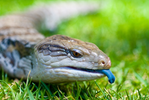
And let's be honest — that bright blue tongue is pretty impressive.

Are Blue Tongue Lizards Suitable for Children?
This is one of the most common questions parents ask.
Blue tongue lizards are often considered one of the better reptile choices for older children because they are generally calm, robust and less fragile than many other reptiles.
However, they are not ideal pets for very young children.
As a guide, children under about eight years old will usually require significant adult supervision when handling and caring for a blue tongue. Older children and teenagers are often better able to learn the routines involved in feeding, cleaning and observing the animal's health.
Ultimately, the adult in the household remains responsible for the animal's care.
A reptile should never be purchased solely because a child wants one.
Can You Keep a Blue Tongue Lizard?
In Australia, blue tongue lizards are native wildlife and are protected.
You cannot simply take one from your backyard and keep it as a pet.
Wild reptiles belong in the wild.
Pet blue tongues should always be sourced through licensed breeders or authorised suppliers. Licensing requirements vary between states and territories, so it's important to check your local regulations before purchasing.
Removing reptiles from the wild can harm local populations and often results in stressed animals that do not adapt well to captivity.
If you find a healthy blue tongue in your garden, enjoy the visit and leave it where it belongs.

What Does It Cost to Keep a Blue Tongue?
Many people focus on the purchase price of the lizard and forget the setup costs.
Depending on the species, breeder and location, a blue tongue may cost anywhere from around $100 to several hundred dollars.
In some states, a reptile licence may also be required, which carries an additional fee.
The enclosure is where most of the investment occurs.
A realistic setup may include:
Many new owners spend several hundred dollars creating a suitable habitat before the lizard even arrives.
The ongoing feeding costs are generally modest compared with many traditional pets, but quality lighting equipment will need replacing periodically as UVB output declines over time.

Housing: Bigger Is Usually Better
One of the most common mistakes new owners make is choosing an enclosure that is too small.
Blue tongue lizards are active ground-dwelling reptiles that need space to explore, thermoregulate and express natural behaviours.
A good enclosure should provide:
Reptiles don't just need somewhere to exist.
They need an environment that allows them to behave naturally.
Choosing the Right Substrate
Substrate is more than decoration.
It helps support natural behaviours and can influence health.
Suitable substrates may include:
Many keepers prefer naturalistic substrates because they allow digging, burrowing and exploration.
Avoid substrates that are dusty, heavily scented or likely to cause digestive issues if accidentally ingested.
The goal is to recreate a natural environment as closely as practical.

Heating and Temperature Gradients
Blue tongues rely entirely on their environment to regulate body temperature.
Without appropriate heating, digestion, immune function and overall health can suffer.
Every enclosure should provide a temperature gradient, allowing the lizard to move between warmer and cooler areas as needed.
This gives the animal control over its own body temperature — something reptiles depend on for survival.
A single temperature throughout the enclosure is rarely ideal.
The Importance of UVB Lighting
This is one area where many owners unknowingly make mistakes.
Blue tongue lizards require appropriate UVB exposure to help metabolise calcium and maintain healthy bones.
Without adequate UVB, reptiles can develop serious health issues including Metabolic Bone Disease (MBD), a painful and often preventable condition that affects bone growth and strength.
Many owners assume a heat lamp is enough.
It isn't.
Heat and UVB perform different functions, and both are important.
UVB lighting is one of the most misunderstood aspects of reptile care and one of the leading causes of preventable health problems in captive reptiles. If you'd like to learn more, be sure to read our companion article, The Invisible Killer: Why UVB Lighting Matters for Reptiles.

What Do Blue Tongue Lizards Eat?
One of the reasons blue tongues are so popular is their varied diet.
They are omnivores and thrive on a wide range of fresh foods.
Suitable vegetables include:
Fruits should be offered in moderation and can include:
Many blue tongues absolutely love banana, but because of its sugar content it should be treated as an occasional treat rather than a dietary staple.
Protein sources may include:
There are some excellent prepared reptile foods available today, but don't assume the most expensive is automatically the best. Read the ingredient list and choose products that contain quality ingredients rather than fillers.
Variety is important.
Just like humans, reptiles benefit from a diverse diet rather than eating the same food every day.

What About Backyard Snails?
This is one of the most common questions blue tongue owners ask.
While blue tongues naturally eat snails in the wild, feeding wild-caught backyard snails is generally not recommended.
Backyard snails may carry parasites, pesticides, herbicide residues or other contaminants that can potentially harm your reptile.
Commercially bred feeder snails from reputable sources are a much safer option.
Fresh Water Matters
Clean water should always be available.
Water bowls should be cleaned regularly and placed where they won't quickly become contaminated with substrate or waste.
It sounds simple, but hydration is a vital part of reptile health.

One of the Most Fascinating Things About Blue Tongues
Unlike many reptiles that lay eggs, blue tongue lizards give birth to live young.
That's right — baby blue tongues are born fully formed.
Depending on the species, a female may produce a surprisingly large litter, and the babies are often independent almost immediately.
For many people, this comes as a complete surprise and is one of the most fascinating aspects of blue tongue biology.
Handling and Temperament
Most blue tongue lizards become quite tolerant of gentle handling when approached calmly and consistently.
However, they are not toys.
Like all reptiles, they can become stressed if over-handled or handled incorrectly.
A relaxed blue tongue is generally curious and calm.
A stressed one may hiss, flatten its body, puff up or display its famous blue tongue as a warning.
Learning to read body language is an important part of responsible reptile ownership.

Common Health Problems and Warning Signs
Most health problems in captive blue tongues are linked directly to husbandry.
In other words, the environment is usually the problem.
Metabolic Bone Disease (MBD)
Often caused by inadequate UVB lighting or calcium imbalance.
Signs may include:
Respiratory Infections
Often associated with incorrect temperatures or poor environmental conditions.
Signs may include:
Obesity
Surprisingly common in captive reptiles.
Signs include:
Burns
Usually caused by poorly positioned heat sources.
Signs include:
Parasites
May result in:
The encouraging news is that many of these conditions are preventable.
Good husbandry is the foundation of reptile health.
Proper heating.
Appropriate UVB lighting.
A varied diet.
Clean water.
Correct humidity.
A suitable enclosure.
Get those basics right and you'll avoid the majority of problems reptile veterinarians see.

Household Chemicals and Reptiles
This is something many reptile owners overlook.
Aerosol sprays, insecticides, fly sprays, perfumes, air fresheners and strong cleaning chemicals can all affect reptiles.
Blue tongues spend much of their time close to surfaces where residues may settle.
Whenever possible, avoid using chemical sprays near reptile enclosures and keep their environment as natural as possible.
How Long Do Blue Tongues Live?
This is another area where people are often surprised.
A healthy blue tongue lizard can live 15 to 20 years, and sometimes even longer.
That means buying a blue tongue isn't a short-term commitment.
It's more like bringing home a long-term family member.

Is a Blue Tongue Lizard Right for You?
Blue tongue lizards have earned their reputation as one of Australia's best beginner reptiles, but that doesn't mean they're a low-maintenance pet.
They can live for 15 to 20 years or more, require specialised lighting and heating, a varied diet and a carefully designed habitat. They depend entirely on their owners to provide the conditions they need to thrive.
For the right person, however, a blue tongue can be an incredibly rewarding companion. They are curious, intelligent, generally tolerant of handling and active during the day, making them one of the more engaging reptiles to keep.
The secret to success isn't finding the easiest reptile.
It's understanding the animal before you bring it home.
If you're prepared to invest in the right setup, provide proper nutrition and learn about their environmental needs, a blue tongue lizard can be a fascinating member of the family for many years to come.
As with all pets, responsible ownership starts long before the animal arrives. The more you learn now, the better life will be for both you and your reptile companion.
©Majella Gee – June 2026
#BlueTongueLizard #BlueTongueSkink #PetReptiles #ReptileCare #ResponsiblePetOwnership #AustralianWildlife #ReptileKeeping #ExoticPets #AnimalWelfare #PetEducation