
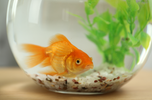
Goldfish Don’t Belong in Bowls
, by Majella Gee, 23 min reading time
, by Majella Gee, 23 min reading time
Goldfish care guide for beginners. Learn why goldfish don’t belong in bowls, how to create a healthy natural aquarium, safe decorations, filtration, live plants and common mistakes that kill goldfish.
Goldfish are probably the most misunderstood pet in the world.
For decades, people have been told they can live happily in tiny bowls with no filtration, no enrichment and barely enough room to turn around.
Then the fish dies… and everyone assumes goldfish are “short-lived.”
They’re not.
A properly cared-for goldfish can live for many years — some for decades.
The problem isn’t the fish.
It’s the setup.

The Biggest Myth: Goldfish Bowls
Let’s be honest.
Bowls are terrible homes for goldfish.
They provide:
Goldfish are messy fish. They produce a significant amount of waste, which means clean, filtered and oxygenated water is essential.
A bowl may look simple and convenient — but biologically, it’s highly unstable.
That tiny bowl on the kitchen bench often becomes a slow decline in water quality, oxygen levels and health.
Goldfish Grow Bigger Than Most People Realise
Many people buy tiny goldfish assuming they’ll stay small forever.
They won’t.
Common goldfish can grow surprisingly large and are often better suited to ponds long-term. Fancy goldfish varieties remain smaller but still require far more space than most people expect.
Stunted fish are not “naturally small” fish.
Stunting is a health issue caused by inadequate space and poor water conditions.
A fish that survives in poor conditions is not necessarily thriving.

Filtration and Oxygen Matter
One of the best things you can do for goldfish is provide strong biological filtration and proper oxygenation.
Filters help break down toxic waste products that build up in aquarium water. Without them, ammonia and nitrites quickly become dangerous.
Live aquatic plants are also incredibly beneficial.
Plants:
A natural-looking tank is not only healthier — it’s usually far more beautiful too.
The Problem with Bright Coloured Gravel
This is something many people never think about.
Goldfish naturally forage through substrate, constantly picking things up and sifting through the bottom of the tank.
Cheap coloured stones and painted gravel can become a problem over time, particularly if coatings begin breaking down or flaking. Tiny amounts of paint and artificial coatings may slowly accumulate in the system and contribute to health issues.
Natural aquarium-safe gravel or stones purchased from a reputable aquarium shop are a far safer option.
And importantly — not rocks collected from the garden.
Outdoor rocks can introduce contaminants, parasites, minerals or residues unsafe for aquarium life.
Natural is usually best.

Decorations: Keep It Safe and Simple
Fish tanks don’t need to look artificial to be interesting.
Natural driftwood sourced specifically for aquariums, smooth aquarium-safe stones and even a clean terracotta pot can create beautiful hiding areas and enrichment.
I understand children often enjoy decorating tanks with castles, pirate ships or themed ornaments — and that’s perfectly okay if they are made from aquarium-safe resin and purchased through reputable aquarium suppliers.
What you don’t want is random household items being placed into tanks.
Shells, untreated wood, crystals, painted ornaments or decorative objects not designed for aquariums can alter water chemistry, leach toxins or destabilise pH levels.
And in aquariums, sudden pH swings can kill fish very quickly.
The safest approach is simple:
If it wasn’t designed specifically for aquarium use, don’t put it in the tank.
Never Use Cleaning Chemicals in an Aquarium
This is one of the most dangerous mistakes beginners make.
Aquariums should never be cleaned with household cleaning products, soaps, detergents or chemical sprays.
Even tiny residues can be toxic to fish.
Hot water and aquarium-safe cleaning methods are all that’s needed for most maintenance.
Fish absorb their environment constantly through their gills and skin. What seems harmless to us can be devastating to aquatic life.
It’s also important to think about airborne chemicals used around the tank. Fly sprays, air fresheners, deodorants, surface sprays, perfumes and aerosol products can all settle into aquarium water — particularly in enclosed rooms.
Many fish keepers never make the connection between sudden fish illness and something sprayed nearby earlier that day.
As a general rule, avoid using chemical sprays near aquariums wherever possible. Fish are extremely sensitive to environmental toxins, and what drifts through the air eventually lands somewhere — often directly into the water.

Goldfish Need Mental Stimulation Too
People often underestimate fish intelligence.
Goldfish recognise routines, investigate their surroundings and interact with their environment more than many people realise.
A bare bowl with nothing to explore is not enrichment.
Natural plants, gentle layout changes, safe décor and adequate swimming space all contribute to healthier, more active fish.
Diet Matters More Than Most People Think
Many goldfish spend their entire lives eating the same flakes every single day.
Imagine eating nothing but dry cereal for years.
Variety matters.
A quality staple food is important, but goldfish also benefit from diversity in their diet. Rotating between quality flakes and pellets helps provide broader nutrition and keeps feeding more interesting.
Live aquatic plants can also encourage natural foraging behaviour, giving fish something to explore and gently nibble throughout the day.
Safe fresh foods, offered occasionally and in small amounts, may include:
Always remove uneaten fresh food promptly so it doesn’t affect water quality.
And yes — you can even make simple homemade goldfish treats.
Simple Homemade Goldfish Treat
Try blending together:
Freeze the mixture in tiny portions and break off a small piece once or twice a week as a treat.
It’s simple enrichment, and many fish absolutely love it.
The key is moderation.
Overfeeding is one of the most common mistakes in fishkeeping. Excess food quickly pollutes the water and places stress on the entire aquarium system.
In nature, fish spend much of their day grazing and foraging — not endlessly consuming large amounts of food in one hit.
Feeding should support natural behaviour, not overload the tank.

Water Changes: The Secret Most Beginners Miss
Clean water is everything.
Even with filtration, regular partial water changes are essential. Small, consistent maintenance is far healthier than large, sudden clean-outs.
And this is important:
Never replace all the water at once unless there is an emergency.
Sudden changes in temperature or water chemistry place enormous stress on fish.
Stability matters.
The Bigger Picture
Goldfish are not disposable pets.
They are living animals with biological needs, behavioural needs and environmental requirements.
A properly set-up goldfish tank can become a beautiful, calming ecosystem that teaches children responsibility, patience and respect for living creatures.
But shortcuts usually end badly.
Tiny bowls.
Cheap gravel.
Random decorations.
Harsh chemicals.
These things may seem small — but over time, they create stress, illness and poor water quality.
The healthiest aquariums are usually the most natural ones.
Clean water.
Live plants.
Safe substrate.
Proper filtration.
Enough space to actually live.
Goldfish don’t need gimmicks.
They need an environment that works with nature — not against it.
©Majella Gee – April 2026
#GoldfishCare #AquariumLife #FishKeeping #NaturalAquarium #GoldfishTank
#ResponsiblePetOwnership #AquariumTips #FishTankSetup #AquaticLife