
Banana Ears, Soft Feet and Spitting Myths: Meet the Alpaca and Llama
, by Majella Gee, 25 min reading time
, by Majella Gee, 25 min reading time
Thinking about keeping alpacas or llamas? From banana-shaped ears and spitting myths to soft feet, fibre, fencing, companionship and livestock guarding, this guide explores the real differences between these fascinating camelids and helps you decide which one might be right for your property.
To many people, alpacas and llamas look like the same animal wearing different hairstyles. One is fluffy, one is fluffier, and both occasionally appear to be judging you. Apparently, they also spend their spare time spitting at tourists.
At least, that's what most people think.
The reality is a little more complicated.
While alpacas and llamas are closely related and both belong to the camelid family, they differ in size, temperament, purpose and management. Understanding those differences before bringing one home can save both you and the animals a lot of frustration.
And yes, we'll explain the spitting.

First Things First: How Do You Tell Them Apart?
There is a simple trick that makes identifying these animals much easier.
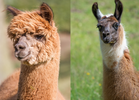
Llamas have banana-shaped ears.
Alpacas have shorter, straighter ears.
Think:
Llamas = Bananas 🍌
Once someone taught me that little trick, I never forgot it.
The differences don't stop at the ears. Llamas are generally much larger than alpacas. An adult llama can weigh anywhere from 120–180 kilograms or more, while alpacas are typically smaller, often weighing between 55–90 kilograms.
Llamas were traditionally bred as pack animals and guardians, while alpacas were primarily bred for their luxurious fleece. As a result, llamas tend to be more confident and independent, while alpacas are often quieter and more reserved.

Why Do People Keep Them?
Many people assume alpacas and llamas are simply decorative paddock ornaments.
They're not.
People keep alpacas for a variety of reasons, including fibre production, companionship, hobby farming, weed management and simply because they enjoy having them around. Alpaca fleece is highly prized for its warmth, softness and insulating properties. Even people who have no interest in producing fibre commercially often enjoy the annual shearing process and the opportunity to use the fleece for craft projects.
Llamas, on the other hand, have traditionally been used as pack animals and livestock guardians. A good guardian llama can help protect sheep, goats and other livestock from predators such as foxes and wild dogs.
Of course, many people simply keep them because they're fascinating animals with unique personalities.
And because, let's be honest, a paddock containing alpacas automatically becomes more interesting.

Temperament: What Are They Really Like?
One of the biggest surprises for new owners is discovering that alpacas and llamas each have their own personalities.
Alpacas are generally more timid and prefer the company of other alpacas. They are often content to observe you from a respectful distance while quietly judging your life choices.
Llamas tend to be more confident and curious. Many are easier to train and are often more willing to interact with people.
Neither species is usually a cuddle pet in the way a dog might be. While some individuals enjoy human interaction, most prefer respectful handling rather than constant attention.
People who expect a giant fluffy dog are often disappointed.
People who appreciate intelligent livestock with unique personalities are usually delighted.

The Spitting Myth
Let's address the elephant—or perhaps the camelid—in the room.
Do alpacas and llamas spit?
Yes.
Do they spend all day wandering around looking for innocent humans to spit on?
No.
Most spitting occurs between alpacas and llamas themselves. It is often a way of communicating boundaries, social rank, irritation or competition over food.
Think of it as a strongly worded email.
Can they spit at humans?
Absolutely.
But when it happens, there's usually a reason. Poor handling, fear, frustration, stress, or someone ignoring repeated warnings can all result in a camelid expressing its opinion rather forcefully.
Most well-socialised animals are not constantly launching saliva-based attacks on visitors, despite what social media might suggest.

One Alpaca Is Not Enough
This is one of the most important points in the entire article.
Alpacas and llamas are social herd animals. They are not designed to live alone.
One of the most common mistakes new owners make is purchasing a single alpaca because they have a small property and think one will be enough.
It usually isn't.
Imagine moving to a deserted island where nobody speaks your language and expecting to be perfectly happy for the rest of your life. That's a little like keeping a herd animal by itself.
Most alpacas should be kept with other alpacas, and llamas also benefit from companionship. A small group is generally happier, healthier and more natural than a single animal standing alone in a paddock.
And quite frankly, they're far more entertaining when they have friends.

Do They Get Along with Other Animals?
This is another question prospective owners often ask.
Generally speaking, alpacas and llamas coexist quite well with many other farm animals. They are commonly kept alongside sheep, goats and cattle, although appropriate introductions and supervision are always important.
Many alpacas happily share paddocks with other livestock, provided there is adequate space, feed and shelter available.
Chickens and ducks are usually ignored.
Dogs require more consideration. A well-behaved farm dog may be accepted, but roaming or predatory dogs can cause significant stress and injury. In fact, protection from dogs is one reason some people choose to keep guardian llamas.
Cats are generally of little interest to either species and are often simply tolerated as part of the landscape.
As with any mixed-species setup, individual personalities matter, and supervision during introductions is essential.

How Much Land Do They Need?
One of the reasons alpacas and llamas have become popular on hobby farms and small acreages is that they generally require less space than larger livestock such as cattle or horses. That said, they still need adequate room to graze, exercise and interact naturally with their herd mates.
The exact amount of land required will depend on your climate, pasture quality and management practices, but neither species should be viewed as a pet that can simply be placed in a small backyard. They need room to move, explore and express natural behaviours.
Good fencing is important, although alpacas and llamas are generally less likely to challenge fences than goats. Most owners find standard livestock fencing works well, provided it is maintained properly and free from hazards.
Shelter is also essential. While both species are hardy animals, they still need protection from extreme weather. Shade during Australia's hotter months is particularly important, and access to a dry shelter can make a significant difference during prolonged wet weather.

Soft Feet, Toenails and General Maintenance
Unlike horses, alpacas and llamas do not have hard hooves. Instead, they have two toes with toenails and a soft padded foot underneath.
This is one of the reasons many small-acreage owners love them. Their soft feet are generally kinder on pastures and less damaging to paddocks than heavier livestock.
However, those toenails don't always wear down naturally.
Animals kept on soft pasture may require occasional nail trimming to prevent overgrowth and discomfort. It's not a difficult task once you learn how to do it properly, but it is something owners need to monitor.
Regular observation is one of the best preventative health tools available. Animals that are moving comfortably, maintaining condition and behaving normally are usually far easier to manage than waiting until a small issue becomes a major problem.

Feeding and Nutrition
One of the biggest misconceptions about alpacas and llamas is that they can survive happily on whatever grass happens to be growing in the paddock.
While good pasture forms the foundation of their diet, nutrition is far more important than simply turning them out into a field and hoping for the best.
Like most grazing animals, they require access to quality forage, fresh clean water and appropriate minerals. During dry periods, droughts or times when pasture quality declines, supplementary feeding may become necessary.
Obesity can be just as much of a problem as poor nutrition, particularly in animals kept on lush pasture with little need to work for their food. A healthy alpaca or llama should be well covered but not excessively fat.
As with many animals, prevention is far easier than correction. Good nutrition, appropriate stocking rates and regular monitoring go a long way towards maintaining long-term health.

Fibre, Shearing and Fluffy Reality
One of the biggest attractions of alpacas is their fleece.
Soft, warm and highly sought after, alpaca fibre is often considered one of the luxury fibres of the animal world. Many owners enjoy collecting and using the fleece for spinning, knitting and craft projects, even if they have no interest in commercial production.
Llamas also produce fibre, although it is generally coarser and less commercially valuable than alpaca fleece.
Regardless of whether you're planning to use the fibre, both species require regular shearing. This is particularly important in Australia's warmer climate, where excessive fleece can contribute to heat stress.
Many first-time owners are surprised by just how different their animals look after shearing. The transformation can be dramatic.
One day they're fluffy teddy bears.
The next day they look vaguely offended and several kilograms lighter.

Common Health Considerations
Fortunately, alpacas and llamas are generally hardy animals when their basic needs are met. Good nutrition, clean water, appropriate stocking densities, parasite awareness and regular observation can prevent many common problems.
Internal parasites can occur, particularly in areas where animals are overstocked or grazing pressure is high. Heat stress is another consideration during Australia's hotter months, especially for heavily fleeced animals.
Because alpacas and llamas are prey animals, they can be quite good at hiding illness. Subtle changes in behaviour, appetite, posture or body condition are often the first clues that something may not be right.
Owners who spend time observing their animals quickly learn what is normal and are far more likely to spot problems early.

Are They Suitable for Children?
Alpacas and llamas can be wonderful animals for families, but they should never be viewed as children's pets.
Even the smaller alpaca is still a reasonably large animal capable of accidentally injuring a child if frightened or handled incorrectly. Llamas, being considerably larger, require even more respect.
Children can absolutely be involved in feeding, observation and routine care under adult supervision, and many develop a genuine love for these fascinating animals. The responsibility, however, must always remain with the adults.
As with parrots, rabbits, goats and virtually every other animal, the welfare of the animal should never depend entirely on a child.
Which One Might Suit Your Property?
If your primary interest is fibre production, a gentle herd dynamic and a traditional hobby farm experience, alpacas are often the preferred choice. Their smaller size and generally quieter nature make them particularly appealing to many acreage owners.
If you're looking for an animal that can potentially assist with livestock protection, enjoys interacting with people and brings a little extra confidence to the paddock, a llama may be worth considering.
Neither choice is right or wrong.
The best animal is the one whose needs match your property, lifestyle and expectations.

Final Thoughts
Whether you choose alpacas, llamas or decide that neither is right for your situation, it's important to remember that these animals are far more than fluffy lawn ornaments.
They are intelligent, social herd animals with specific physical and emotional needs. They require companionship, appropriate nutrition, shelter, space and responsible owners who understand what they're taking on before bringing them home.
And while the internet may have convinced the world that their primary purpose is to spit at unsuspecting tourists, the reality is that most alpacas and llamas are simply getting on with life, enjoying the company of their herd and occasionally reminding us that personal space is important.
Especially if you're standing between them and their dinner.
©Majella Gee – May 2026
#Alpacas #Llamas #Camelids #HobbyFarm #FarmAnimals #SmallAcreage #CountryLife #SustainableLiving #AnimalEducation #ResponsibleAnimalOwnership #FarmLifeAustralia #MajellasPetStore