
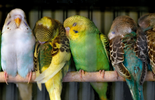
Budgies as Pets: What You Need to Know Before You Bring One Home
, by Majella Gee, 23 min reading time
, by Majella Gee, 23 min reading time
Budgies are often seen as an easy, low-maintenance pet — but the reality is quite different.This guide walks through what they actually need to stay healthy, happy, and well-adjusted, so you don’t get caught out.
Budgies are often sold as the “easy” pet.
Small cage.
A bit of seed.
Low maintenance.
That’s the story people are told.
The reality?
Budgies are intelligent, social, highly aware little birds — and when their needs aren’t met, it shows quickly in their health and behaviour.
If you’re thinking of bringing one home, or you already have one, here’s what actually matters.

They’re Small — But Not Simple
Budgies are not decorative pets.
They don’t sit quietly and “look pretty” in a cage all day. They need stimulation, interaction, and a stable environment.
When that’s missing, you’ll often see it in subtle ways first — a quieter bird, less interest in interaction, or the opposite… noise, frustration, even feather picking.
A healthy, well-adjusted budgie is curious and engaged. If they’re not, something’s off.
Male or Female — How to Tell the Difference
This is one of the most common questions, and it’s actually quite simple once you know what to look for.
The key is the cere — the fleshy area just above the beak where the nostrils are.
It’s not just about looks either.
Males are generally more inclined to mimic sounds and learn to talk. Females can be a little more assertive and sometimes nippy, though personality always plays a part.
Both can make wonderful companions — it just helps to know what you’re working with.

The Best Age to Bring a Budgie Home
If your goal is to tame your budgie and build trust, age matters.
A young bird — just weaned — is far easier to work with than an older bird that hasn’t had much human interaction.
That doesn’t mean older budgies can’t be tamed, but it does take more time, patience, and consistency.
If you’re buying from a breeder or pet shop, don’t be afraid to ask:
These early experiences make a big difference.
Cage Size & Setup (Bigger Than You Think)
One of the biggest mistakes people make is going too small.
Budgies need room to move — not just hop from perch to perch.
A good cage allows them to stretch their wings fully and move across the space comfortably. Wider cages are far better than tall, narrow ones, as budgies naturally fly side to side.
If the cage is too small, you’ll often see frustration, reduced activity, and poor muscle tone over time.

Where You Put the Cage Matters
Budgies are incredibly sensitive to their environment.
A cage placed in the wrong spot can create ongoing stress without you even realising it — and over time, that does affect their health.
It’s not just about light and airflow. It’s about what’s happening around them every day.
Cold drafts are a big one. Budgies don’t cope well with sudden changes in temperature or constant air movement. At the other end of the scale, sitting in direct, harsh sun all day isn’t ideal either.
Kitchens are another area to avoid. Fumes, heat, and temperature fluctuations can all cause problems, even if they seem minor to us.
You also want to be mindful of what’s nearby. Indoor plants might look nice, but many are toxic if chewed — and curious birds will chew. It’s not worth the risk.
And then there’s other pets.
A dog or cat doesn’t need to actually touch the cage to cause harm. A sudden pounce, a swipe at the bars, or even just persistent staring can be enough to frighten a bird badly — sometimes with serious consequences.
Where possible, the cage should be in a space where your budgie can see and hear daily life, without being exposed to constant stress or danger.
They want to feel part of the household — but just as importantly, they need to feel safe within it.

Perches: Natural is Best
Most cages come with smooth, uniform dowel perches.
They’re convenient, but they’re not doing your bird any favours.
In the wild, budgies perch on branches of all shapes and sizes. That variation is important for foot health.
Switching to natural, untreated branches of different diameters:
It’s a simple change that makes a big difference.
Diet: It’s Not Just About Seed
Seed alone is not a complete diet.
Many commercial seed mixes are highly processed, sometimes dyed, and lacking in the nutrients budgies actually need.
A better approach is to use a clean, good-quality seed (ideally pesticide-free where possible) as a base — and then build on it.
Fresh foods matter.
Leafy greens are a great place to start:
You can also offer small amounts of vegetables such as:
Not everything will be accepted straight away. Budgies can be cautious with new foods, so persistence and patience help.
And don’t forget:
👉 cuttlefish for calcium and beak health

Common Health Issues (And Why Observation Matters)
Budgies are very good at hiding illness.
By the time symptoms are obvious, the issue is often more advanced.
Things to watch for include:
These are early signs that something isn’t right.
Rather than going into full treatment here, I’ve put together a separate guide covering common bird health issues — including mites, lice, and what to watch for — so you can recognise problems early and act quickly.
Teaching Your Budgie to Talk
Some budgies will talk. Some won’t.
And that’s okay.
If you’d like to encourage it, start with a young bird and keep things simple.
Use the same word or phrase consistently. Speak clearly. Keep your tone calm. Repeat often — but don’t overdo it.
Short, regular sessions work far better than long ones.
And don’t focus only on the end result.
A bird that trusts you and enjoys interaction is far more important than one that can say a few words.

Toys & Interaction
Budgies need mental stimulation — not just something to look at.
Toys like swings, bells, chewable items, and simple foraging options help keep them engaged.
But toys are not a substitute for interaction.
They still need you:
A bird that is ignored, even in a well-equipped cage, will not thrive.
Are Budgies Suitable for Children?
Budgies are often bought as a child’s first pet.
In reality, they’re better suited to families where an adult is actively involved.
They are small, delicate, and easily stressed. Rough handling or inconsistent care can lead to injury or long-term issues.
Children can absolutely enjoy and learn from having a budgie — but the responsibility ultimately sits with the adult.

Final Thoughts
Budgies are often underestimated because of their size.
But when their needs are met, they are incredibly rewarding little companions — curious, interactive, and full of personality.
When they’re not, the signs are there.
Small bird doesn’t mean small commitment.
Take the time to get it right, and you’ll have a pet that brings far more to your home than most people expect.
If you’d like to understand more about common bird health issues — what to look for, and when to act — you can read my guide here:
👉 Common Bird Health Problems: What to Watch For (and What to Do About It)
©Majella Gee March 2026
#Bird Care #Budgies #Small Pets #Pet Education #Responsible Pet Ownership